
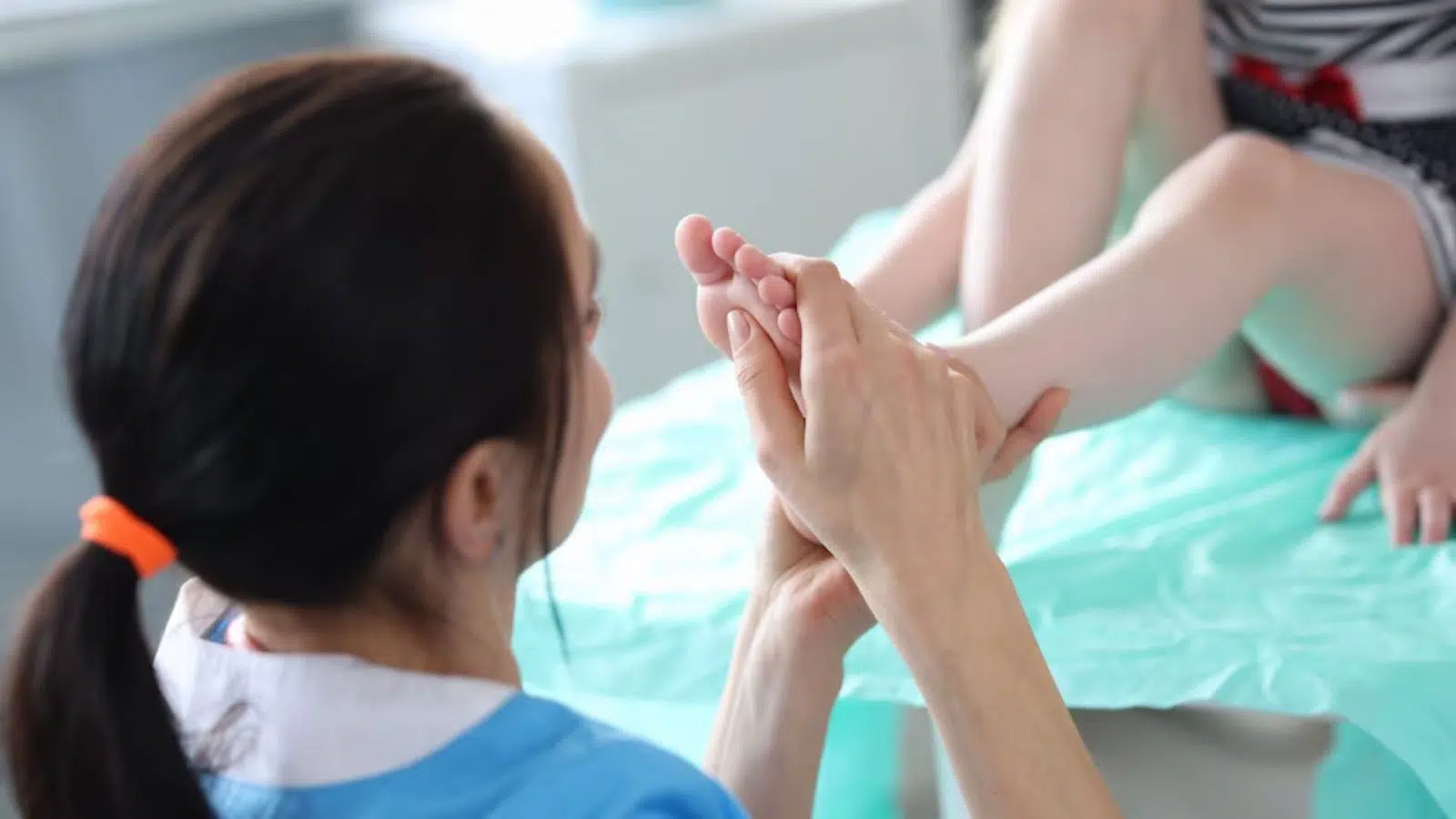
Kids are active by nature, often starting in sports or physical activities when young. They are naturally active, however, which can be good for their growth and development but is also a precursor to multiple foot and ankle disorders. Pediatric podiatry is important because it helps keep your budding athlete healthy so he or she can keep doing what they love best. A few important points for maintaining your child’s feet in prime condition.
Understanding Pediatric Podiatry
Pediatric podiatry is a specialty that involves the diagnosis, treatment, and prevention of foot and ankle conditions in children. Children’s bones and muscles are still tall in comparison to their bodies, so they require care specific to their growing needs. The sooner a podiatrist is made aware of potential issues, the greater chance there is for them to be dealt with before developing into long term complications.
Encourage Proper Footwear
Most importantly, the footwear selection is one of the key steps to ensure that those little, active feet stay healthy. Use shoes specific to your sport, and that fit you well for adequate support and cushioning. Poorly fitting footwear may cause blisters, an ingrown toenail or in severe cases (and if ignored) a stress fracture.
Ensure ample space to wiggle the toes, and that the shoes offer adequate arch support. Kids grow faster than you think, so home check their shoe sizes at regular intervals to avoid any issues!
Emphasize Warm-Up and Stretching
Doing warm-ups and stretching is crucial to make the body ready for physical activity. So part of the way to prevent injuries is to encourage your child to practice routines that stretch their feet, ankles and legs. Simple exercises of toe touches, ankle circles and calf stretches will help a lot.
Consistent stretching can help to increase flexibility and decrease the chance of injury from strains or sprains, which are common accident-prone injuries with youth athletes.
Monitor Activity Levels
Staying active is very important but balance is essential. Young athletes that thrive on doing one sport often become susceptible to overuse injuries such as plantar fasciitis or tendonitis due to inadequate rest. Monitor your kid’s activity levels with magnetic sensors that also provide feedback to keep them on track toward reaching bigger goals, and ensure they get enough rest days for their muscles to repair themselves.
Sometimes, all you have to do is listen to your body and tell that something’s not right or if one is tired. Promoting necessary conversation about all pain can assist in getting diagnosis and treatment for prospective problems early on.
Focus on Nutrition and Hydration
A balanced diet and adequate hydration contribute towards general health, including the development of bones and muscles. The child needs continuous feeding with adequate calcium and vitamin D Foods for bone health. Hydration is just as important; it helps muscles function and prevents cramps.
Regular Check-Ups with a Podiatrist
Regular check-up with a pediatric podiatrist can help prevent minor problems from becoming serious ones. Podologists can give tailor made tips and remedies to maintain the state of your child’s feet in an optimum condition. If you are in New Zealand, booking an appointment with a pediatric podiatrist in Auckland or one of the experts near parfaits his own children may be all that it takes to assure parents he is getting the right kind of care.
Addressing Common Foot Issues
Common foot problems that can occur in active children include flat feet, heel pain and growth plate injuries. It is crucial to identify and treat these conditions at an early stage. A foot doctor, according to Beckerfootandankle.com, will be able to assist with orthotics or exercises that help this condition not define how your child plays and enjoys life.
Educating on Foot Hygiene
Another important aspect of pediatric podiatry is teaching children about good foot hygiene. Ask them to wash their feet every day, dry them as best as possible and wear suitable socks. It prevents infections like athlete’s foot by keeping feet clean and dry.
In fact, once these two toes start to turn in on themselves this will make it aggravating to wear footwear at times and if allowed to continue can cause an ingrowing toenail.
Conclusion
Foot health can determine a young athlete’s ability to do what he loves on the field. By emphasizing appropriate shoes, warm-ups, balanced activity levels and frequent podiatric care, we can prevent injuries and keep your child active and healthy. Auckland pediatric podiatrist or local experts can help address those issues, which in later life could compound into foot deformities. Focusing on their foot health is the first step in establishing a robust foundation for their growth, development, and successes throughout sports.


+ There are no comments
Add yours