
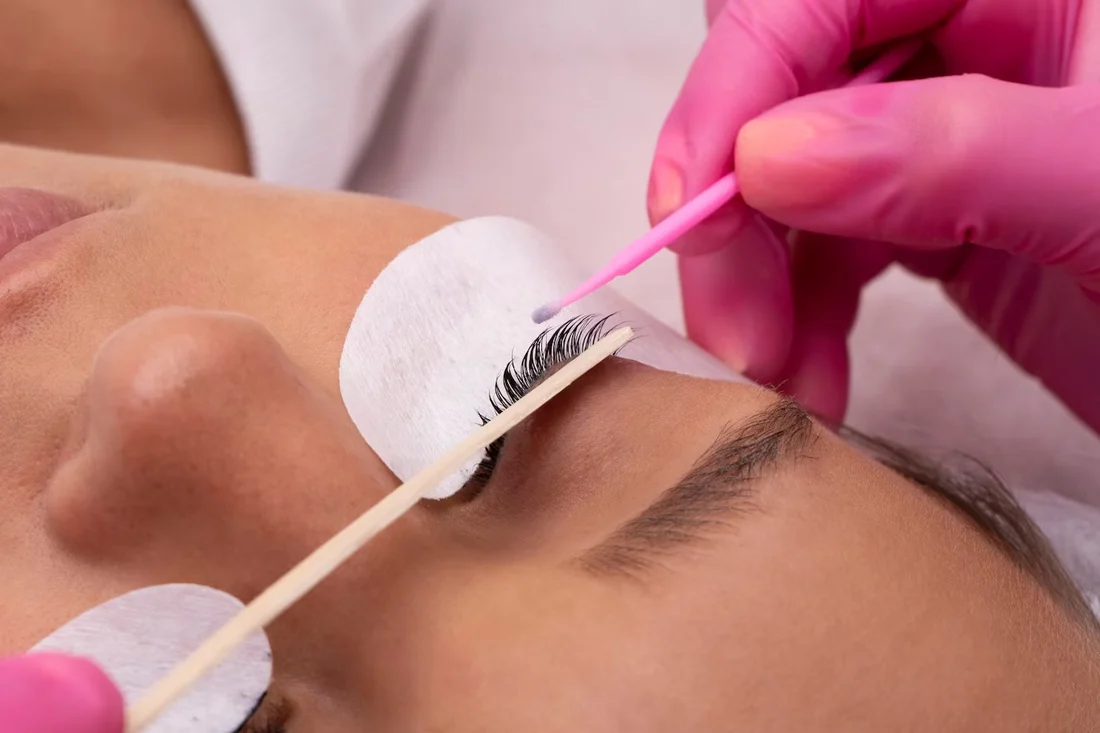
A career as a lash technician combines beauty services, careful handwork, and direct client care. Training teaches more than how to apply extensions. Students learn eye safety, sanitation, lash styling, product handling, and client consultation. They also practise working with precision while ensuring a comfortable appointment experience. Anyone considering this path should understand the training process, equipment requirements, and daily responsibilities before choosing a course or building a service plan.
What Lash Technician Training Covers
Professional lash technician courses usually begin with the structure and growth cycle of natural lashes. Students learn how lash thickness, length, curl, and density affect a safe design. Training also explains how extensions attach to individual lashes and why weight selection matters for natural lash health.
A course then introduces hygiene procedures. Students learn how to prepare a clean workstation, disinfect reusable tools, handle single-use supplies, and prevent cross-contamination. These habits protect both the client and the technician during every appointment.
Eye-area safety receives careful attention. Training covers adhesive placement, fumes, patch testing, allergic reactions, and contraindications. Students also learn when to postpone a service, refer a client to a medical professional, or safely remove extensions.
Practical Skills Students Develop
Theory provides a foundation, but repeated practice builds control. Students typically work with mannequins, lash strips, and supervised models before accepting independent appointments. This practice improves isolation, adhesive control, tweezer handling, and placement accuracy.
Isolation requires separating one natural lash before attaching an extension. Poor isolation causes lashes to stick together, creating discomfort and potentially damaging growing lashes. Training therefore emphasises slow, deliberate movements rather than speed.
Students also practise classic, hybrid, and volume techniques when these services are part of the course. Classic sets use one extension per natural lash. Hybrid sets combine classic and handmade or premade volume fans, while volume work requires careful control of fan size and weight.
Consultation And Styling
A professional consultation helps match the service to the client’s eye shape, natural lashes, routine, and preferred appearance. Students learn to ask about previous reactions, contact lens use, sensitivities, and desired maintenance.
Mapping creates a plan for length and curl across the lash line. A technician might use shorter extensions near the inner corner and longer lengths through the centre or outer section. The design must suit the client’s natural lash strength rather than follow a fixed pattern.
Training also covers informed consent and aftercare instructions. Clients need clear guidance about cleansing, rubbing the eyes, steam exposure, refill timing, and signs of irritation. Written records help technicians track products, reactions, and changes between visits.
Equipment And Workstation Preparation
A new technician needs reliable tweezers, lash extensions, adhesive, eye pads, tape, cleanser, microbrushes, spoolies, and sanitation supplies. Training explains each item’s purpose and how to store products correctly.
Adhesive requires controlled conditions. Temperature, humidity, storage time, and air exposure affect performance. Students learn to monitor adhesive behaviour and replace products as per the manufacturer’s directions.
The workstation must support safe posture, ergonomics and cleanliness. An adjustable treatment bed, suitable lighting, and organised supplies help reduce strain during appointments. Technicians also need a stable hand position because small movements affect placement quality.
Assessment And Building Professional Readiness
Course assessments often include written knowledge checks, practical demonstrations, and supervised applications. Students must show that they can complete a consultation, prepare the station, apply extensions, and finish the service safely.
A certificate does not replace ongoing practice. New technicians should photograph completed sets, review retention, and record the products used. This process helps identify issues such as excessive adhesive, poor isolation, unsuitable lengths, or uneven mapping.
Business preparation also matters. A technician needs a service menu, cancellation policy, consultation form, consent process, and appointment schedule. Check local licensing, insurance, and health requirements before accepting paying clients, since rules differ by location.
Conclusion
Lash technician training combines technical practice with hygiene, consultation, and client protection. The strongest preparation gives students time to repeat applications, correct placement errors, and understand natural lash limits. Before enrolling, a prospective technician should compare course content, practical assessment, model work, kit inclusions, and local legal requirements. After training, regular practice on suitable models can build speed without sacrificing isolation, comfort, or lash health.








+ There are no comments
Add yours